

Preventive screenings play a vital role in detecting disease early, often before symptoms appear. Many serious conditions, including cancer and heart disease, can be treated far more effectively when found at an early stage. Staying up to date with recommended screening tests is one of the most important steps you can take to protect your long-term health.
Here are five essential screening tests, along with guidance on when they are typically recommended.
1. Colonoscopy (Colorectal Cancer Screening)
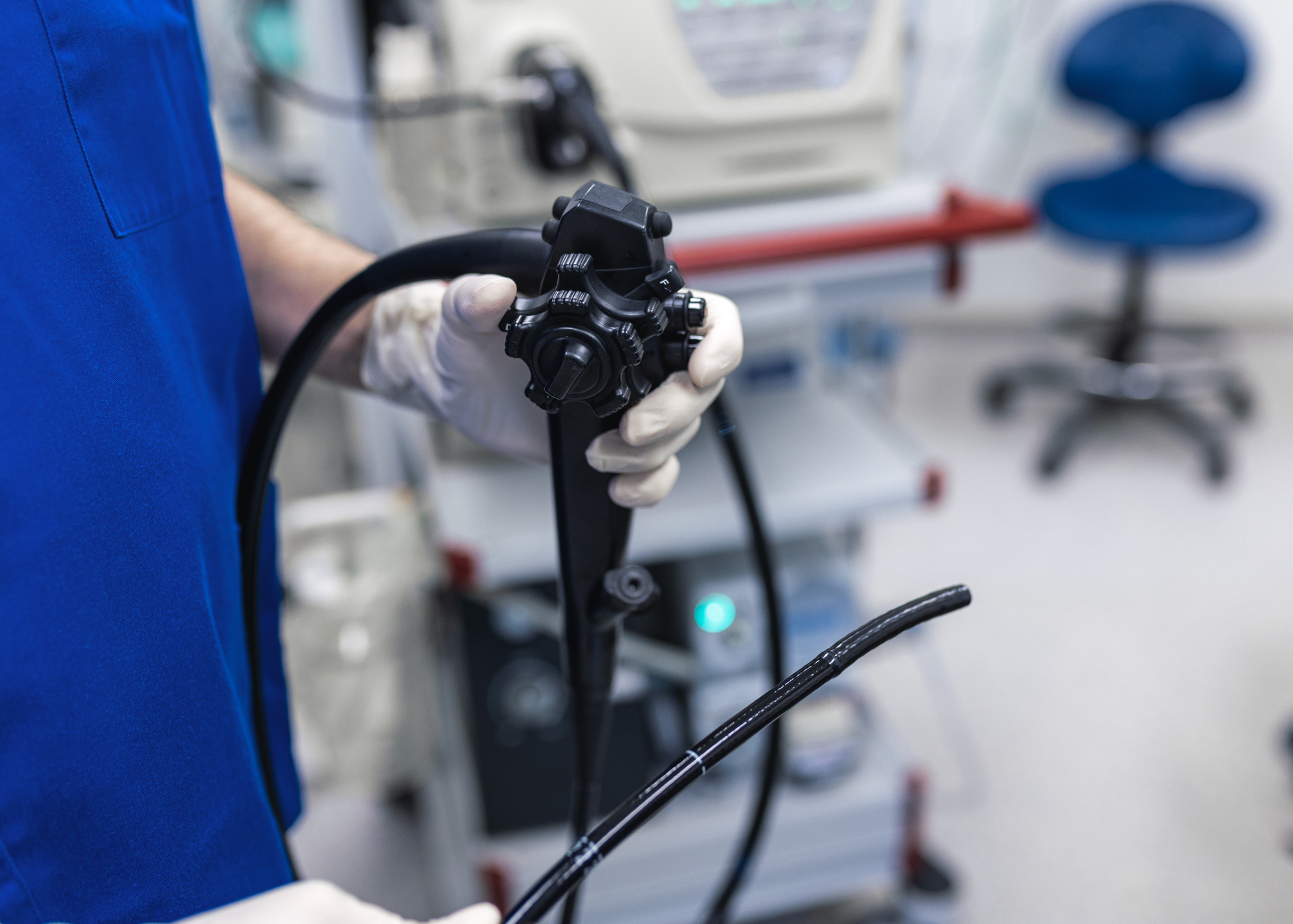
Colorectal cancer is one of the most preventable cancers when detected early. A colonoscopy allows physicians to identify and remove precancerous polyps before they develop into cancer.
When to get it: Most adults should begin colorectal cancer screening at age 45. If results are normal, a colonoscopy is usually repeated every 10 years. Individuals with a family history of colorectal cancer or certain digestive conditions may need earlier or more frequent screening. March is recognized as Colorectal Cancer Awareness Month, making it a great reminder to schedule this potentially life-saving test if you are due.
2. Mammogram (Breast Cancer Screening)
A mammogram is an imaging test that can detect breast cancer years before it can be felt during a physical exam. Early detection significantly improves treatment outcomes and survival rates.
When to get it: Women are generally advised to begin annual or biennial mammograms starting at age 40, depending on personal risk factors and medical guidance. Women with a strong family history of breast cancer may need earlier screening.
3. Pap Smear and HPV Test (Cervical Cancer Screening)
Pap smears and HPV testing help detect abnormal cervical cells before they develop into cancer. These screenings have dramatically reduced cervical cancer rates through early detection and treatment.
When to get it: Women should begin Pap smear screening at age 21. Between ages 21 and 29, testing is typically done every three years. From ages 30 to 65, women may have a Pap smear combined with HPV testing every five years, or Pap testing alone every three years.
4. Bone Density Test (DEXA Scan)
A bone density test measures bone strength and helps identify osteoporosis, a condition that weakens bones and increases fracture risk. Osteoporosis often develops silently until a fracture occurs.
When to get it: Women should consider screening starting at age 65, or earlier if they have risk factors such as early menopause, family history of osteoporosis, long-term steroid use, or previous fractures.
5. Skin Cancer Screening
Skin cancer is one of the most common cancers, but it is also highly treatable when caught early. Regular skin checks help identify suspicious moles or lesions before they become dangerous.
When to get it: Adults should perform monthly self-examinations and consider annual skin checks with a healthcare professional, especially if they have a history of sunburns, extensive sun exposure, or a family history of skin cancer.
The Bottom Line
Screening tests are a proactive way to stay ahead of potential health concerns. While recommendations may vary based on age, medical history, and individual risk factors, staying informed about routine screenings is a key part of preventive care.
If you are unsure which tests are right for you, speak with your healthcare provider to develop a personalized screening plan that supports your long-term health and well-being.