

National Immunization Awareness Month
Are You Up to Date on the Vaccines You Need?
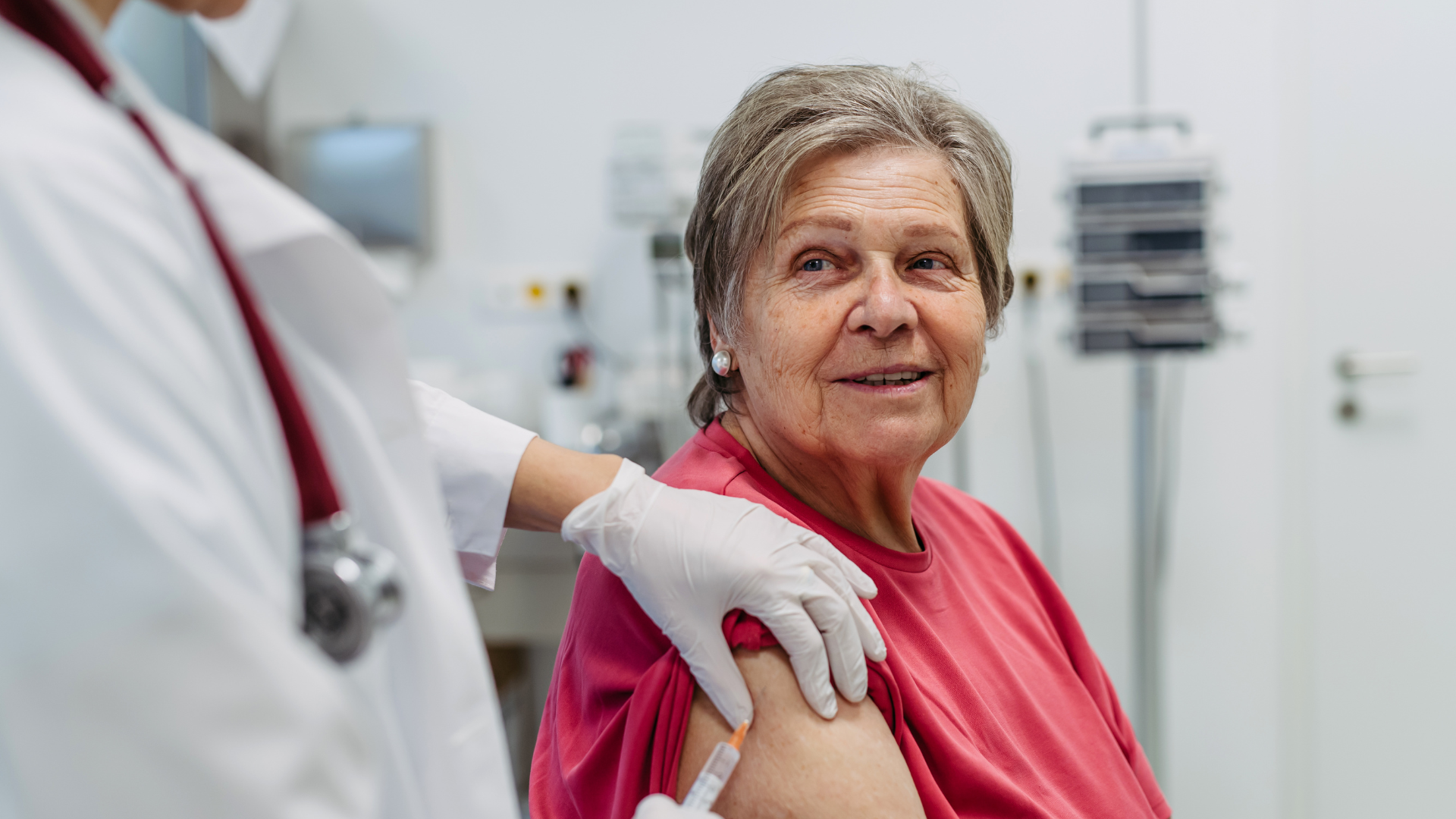
August is National Immunization Awareness Month, making it the perfect reminder that vaccines aren't just for kids. As we get older, our immune system changes, our risk for certain infections increases, and the vaccines we need change with us. As an obesity and metabolic health physician, I spend a lot of time helping patients reduce their risk of chronic disease. We talk about nutrition, exercise, sleep, blood pressure, cholesterol, and blood sugar. But prevention doesn't stop there. Staying up to date on recommended vaccines is another important way to protect your long-term health, especially if you have conditions like obesity, diabetes, heart disease, or chronic kidney disease that can increase your risk of severe illness.
In Your 20s and 30s
Even if you received all of your childhood vaccines, it's worth checking whether you're still protected. At this stage of life, you should:
Get a flu vaccine every year.
Stay up to date on COVID-19 vaccines based on the latest recommendations.
Receive one dose of Tdap (tetanus, diphtheria, and whooping cough) if you haven't had it as an adult, then a Td or Tdap booster every 10 years.
Complete the hepatitis B vaccine series if you haven't already.
Consider the HPV vaccine if you're eligible. The vaccine is routinely recommended through age 26, and some adults ages 27 through 45 may still benefit after discussing it with their physician.
Catch up on vaccines like MMR or chickenpox if you never developed immunity.
In Your 40s
Your vaccine schedule may not change much at 40, but your health might. Many adults begin developing conditions like high blood pressure, high cholesterol, obesity, pre-diabetes, or diabetes during this decade. Those conditions can increase the risk of complications from infections like influenza and COVID-19. This is a great time to review your vaccine history during your annual physical instead of waiting until you're due for additional vaccines in your 50s.
Starting at Age 50
Once you turn 50, there are two vaccines you should plan to discuss with your healthcare provider.
Shingles (Shingrix)
The CDC recommends two doses of the shingles vaccine starting at age 50, even if you've never had shingles. Many people think shingles is "just a rash," but it can cause severe nerve pain that lasts for months or even years.
Pneumococcal Vaccine
Adults 50 and older who haven't previously received a pneumococcal conjugate vaccine are now recommended to receive one to help protect against pneumonia, bloodstream infections, and meningitis caused by pneumococcal bacteria.
Age 60 and Beyond
As we age, our immune system naturally becomes less effective, making infections more dangerous. In addition to staying current on your annual flu shot and COVID-19 vaccine recommendations, talk with your physician about the RSV vaccine. Respiratory syncytial virus (RSV) isn't just something babies get. In older adults, it can lead to serious lung infections and hospitalization. The RSV vaccine is recommended for:
All adults age 75 and older
Adults ages 60 to 74 who are at increased risk for severe RSV disease because of certain medical conditions
Every Year Matters
No matter your age, some vaccines aren't "one and done." Every year, you should review whether you're due for:
Your annual influenza vaccine.
An updated COVID-19 vaccine if recommended.
Any boosters based on your age or medical history.
Preventive care is something you maintain throughout your life.
Why This Matters for Metabolic Health
People often think vaccines and metabolic health are two separate conversations. They're not. Conditions like obesity, diabetes, heart disease, and chronic kidney disease don't just increase the risk of developing chronic illness. They can also increase the risk of becoming seriously ill from infections like influenza, COVID-19, RSV, and pneumonia. That's why I view vaccines the same way I view healthy eating, exercise, and routine screenings. They're all part of the same goal: keeping you healthy enough to live the life you want.
National Immunization Awareness Month is the perfect time to make sure your preventive care is up to date. If you can't remember the last vaccine you received, don't worry. Many adults can't. Schedule an appointment with your primary care physician, review your immunization history, and make a plan based on your age, medical conditions, and lifestyle.